Finding your work copied somewhere you never put it is a gut-punch. Whether it is a photo, an article, a design, or a video, the feeling of helplessness is real — but you have more options than most people realise. This guide walks through what to do when you discover stolen work online, in a practical order, without legal jargon.
First, Confirm It Is Actually Theft
Before you act, make sure what you are looking at is actually unauthorised use. Some reposts are covered by fair use (a legal concept that allows limited use of copyrighted material for things like commentary or education). Others happen because you granted a licence somewhere — a stock platform, a Creative Commons tag on your blog, or a platform’s terms of service you agreed to years ago.
Check your own records first. Did you publish this under a licence? Did a client commission it and potentially own it? If the answer is no to both, you are likely looking at infringement.
Do this immediately: Take screenshots of the infringing content. Record the full URL, the date and time, and the name or handle of whoever posted it. Evidence disappears — pages get deleted, accounts vanish. Do not wait.
What You Actually Own and Why It Matters Here
Copyright attaches to original creative work the moment you make it. Writing, photos, video, music, code, illustrations — all covered automatically. You do not need to file paperwork to own it.
That said, registration matters if you want to take legal action in the United States. Registered works give you access to a wider range of remedies in court. Unregistered works still have protection, but your practical options are narrower.
If you are a freelancer, check your contracts. Some agreements transfer copyright to the client on delivery. If that is the case, the copyright complaint is theirs to make, not yours.
Founders and creators who have built a recognisable brand also have some protection over their name and likeness — but that sits under different rules than copyright, which we cover below.
The DMCA Takedown: Your Fastest First Move
The Digital Millennium Copyright Act (DMCA) is a US law that lets you ask a platform to remove infringing content without going to court. Even if you are outside the US, most major platforms operate under these rules.
Every major platform — Google, YouTube, Instagram, TikTok, Pinterest, LinkedIn — has a DMCA takedown form or an IP reporting tool. Search for “[platform name] copyright infringement report” and you will find it.
A valid notice generally needs:
- Your contact details
- A description of your original work and where it lives
- The URL of the infringing copy
- A statement that you are the rights holder (or acting on their behalf)
Platforms are required to act on valid notices, and most remove content within a few days. If the person who posted it disputes your claim, the platform may restore the content. At that point, you have to decide whether to pursue it further — which usually means legal action.
Going Beyond the Platform: Contacting the Infringer Directly
A direct message or email resolves a surprising number of cases. You do not need a lawyer to write it. State what was taken, where you found it, what you want them to do (take it down, credit you, pay you), and by when — something like five to seven business days is reasonable.
Keep the tone factual, not angry. Some people genuinely do not know they did something wrong — they found your image on Google and assumed it was free to use. Those cases often resolve immediately.
Others will ignore you. That is useful information. It tells you the person is aware and choosing not to comply, which matters if you escalate.
If the infringer is a business, a formal cease-and-desist letter from an IP lawyer carries real weight. A one-page letter often costs far less than people expect — sometimes a few hundred dollars — and businesses tend to respond to them.
When the Theft Is About Your Likeness, Not Just Your Content
Using your face, voice, or name to sell something without permission is a separate issue from copyright. It falls under what is generally called right of publicity — and the rules vary significantly depending on where you live.
This matters most in three situations:
- Someone uses your photo in an advertisement without your consent
- A fake account impersonates you
- AI-generated content mimics your appearance or voice
For impersonation, platforms have dedicated reporting tools that are faster than any legal route. Use them first.
AI-generated likenesses are a genuinely new area. The law in most places has not caught up yet. Several lawsuits are already working through courts and beginning to set precedents, but what applies to your situation depends heavily on where you are. A lawyer familiar with this area is the right person to ask — not a blog post.
Escalating to Legal Action: When It Is Worth It
Litigation is slow and expensive. It generally makes sense when the financial damage is significant, the infringer is identifiable and has assets, or the theft is ongoing and actively hurting your income.
In the US, the Copyright Claims Board handles cases up to $30,000 without requiring a lawyer. It is a small claims option specifically for copyright disputes, which makes it more accessible than federal court for smaller cases.
Keep everything: original files with their metadata intact, publication dates, contracts, and every piece of communication with the infringer. This documentation is what makes or breaks a case.
Many IP lawyers offer flat-fee consultations. Some work on contingency for strong cases — meaning they only get paid if you win. It is worth a conversation before assuming legal action is out of reach.
Prevention That Actually Reduces Your Risk
You cannot stop every theft, but you can make it harder and make yourself easier to defend.
- Watermark images and embed your name in file metadata. It creates a trail that is hard to erase.
- Put a copyright notice on your website. It does not create new rights, but it removes the excuse that someone did not know the work was protected.
- Register your most valuable work — anything you license or that generates real income. It is relatively inexpensive and significantly improves your options if something goes wrong.
- Set up Google Alerts for your name and titles of key pieces. Use reverse image search (Google Images, TinEye) regularly to catch copies before they spread.
- Keep original source files. Cloud storage with automatic versioning gives you timestamped proof of authorship that is hard to dispute.
Frequently Asked Questions
Do I need to register my copyright before I can file a DMCA takedown?
No. You own copyright the moment you create original work, and you can file a DMCA takedown without registration. Registration matters if you want to pursue certain legal remedies in court — but for getting content removed from a platform, it is not required.
What if the person who stole my work is in another country?
It complicates things, but it does not make you powerless. DMCA takedowns apply to the platform, not the infringer — so if the content is on a US-based platform, you can still file. Cross-border legal action is harder and more expensive, which is why starting with platform tools and direct contact makes sense. A lawyer familiar with international IP can advise on what is realistic for your specific situation.
How long does a DMCA takedown actually take?
Most major platforms act within a few days of receiving a valid notice. Some are faster — YouTube and Google have largely automated systems that can process straightforward claims quickly. Smaller or less-responsive platforms may take longer, and some may not act at all if the notice is incomplete.
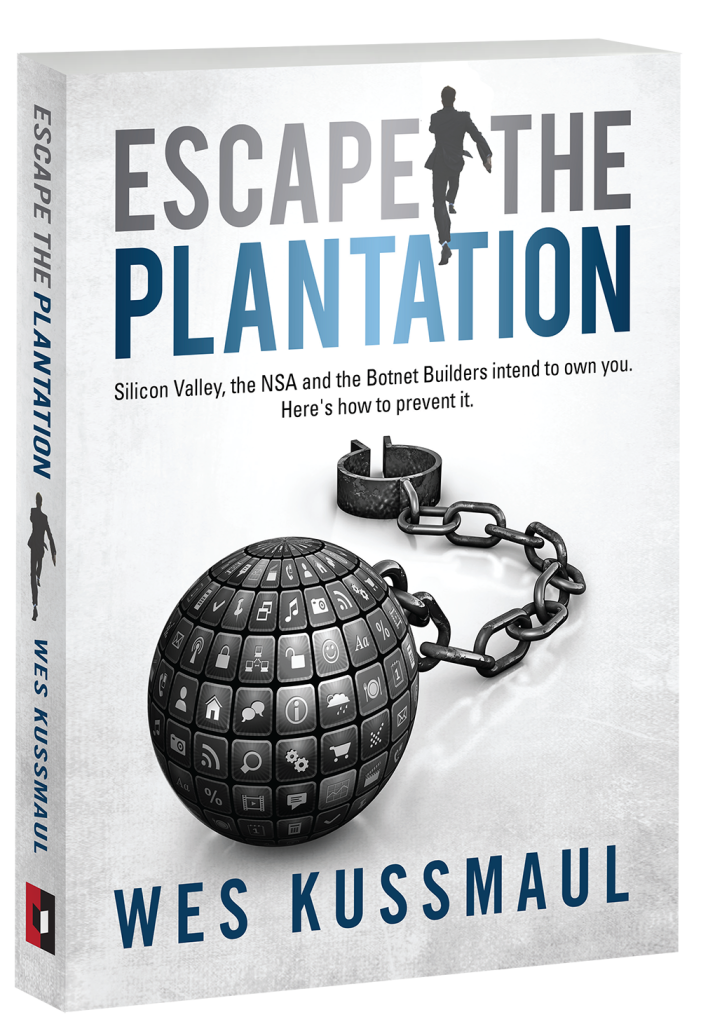
Everyone deserves authenticity and accountability online. That is the mission we are working on. Subscribe to join us, and get a free copy of Wes Kussmaul’s Escape the Plantation.
This article is general information, not legal advice. Laws differ by country — consult a qualified lawyer about your situation.