Seventy-four people have been referred to prosecutors in Vietnam’s Hung Yen province over a network of websites that streamed pirated football matches, including Premier League games, with local commentary and betting advertisements running alongside every broadcast. The case is one of the largest creator rights piracy prosecution actions to come out of Southeast Asia in recent memory, and it carries lessons that reach well beyond professional sports broadcasting.
What happened
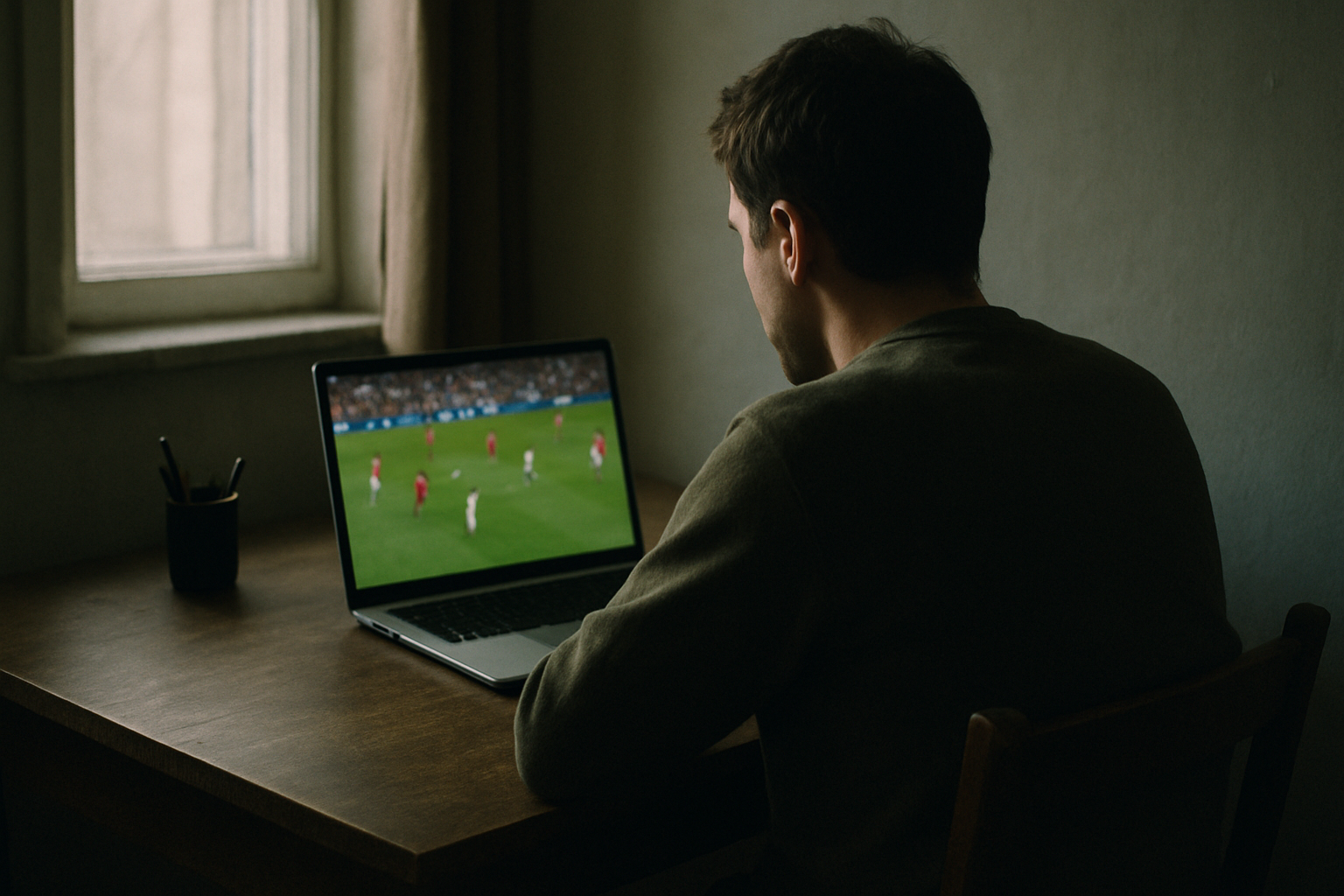
The sites operated for years before police moved. They offered free streams of major football leagues, paired local Vietnamese commentary with each match, and ran betting banner advertisements that generated significant revenue alongside the pirated content.
Police made an initial round of arrests earlier in the year. Investigators continued building the case, and authorities in Hung Yen province have now referred 74 suspects to prosecutors.
The accused cover the full structure of the operation. The alleged founders funded and coded the platforms. Others managed servers and streams. Financial staff handled money. And more than 30 commentators were paid per match to provide the voice work that made the sites feel like a legitimate broadcast.
The defendants face charges including copyright infringement, organising gambling, gambling, and distributing obscene material. For the majority of defendants, the gambling charges — tied to the betting banner revenue — are reported to be the more serious counts.
Who is affected
The most direct victims are the organisations that paid to license the content legitimately. A local pay TV broadcaster has stated preliminary losses running into tens of millions of dollars. The league whose matches were streamed has also claimed losses. Both figures are unconfirmed and will be tested at trial.
The 74 defendants span a wide range of roles and, presumably, a wide range of awareness. The alleged architects of the scheme sit at one end. At the other end are commentators who agreed to provide voice work for a fee and may not have understood the legal exposure they were taking on.
That gap matters for any creator. If you license your voice, commentary, likeness, or any creative output to a platform without checking what that platform actually is, you can end up legally connected to something you knew nothing about.
And if your own work has been streamed, reposted, or repurposed without your permission, you are a rightsholder in a situation structurally similar to the leagues and broadcasters named here — just at a smaller scale.
What the real risk is
The obvious risk is that someone builds a profitable business on your work without paying you. That is what happened to the broadcasters and leagues here.
A less obvious risk is reputational. The commentators in this case became the human face of a gambling-adjacent piracy operation. Their voices were the brand. That association does not disappear when a site gets shut down.
There is also a revenue risk that is easy to underestimate. When pirated versions of your content are freely available, the audience that would otherwise pay for legitimate access shrinks. The rightsholders here are claiming losses that reflect exactly that dynamic.
For creators working across borders, enforcement is unpredictable. This case moved in part because of external trade pressure on Vietnam, not because an individual creator filed a complaint. Waiting for that kind of pressure to protect your work is not a strategy.
What to do today
These steps are achievable this week, without a legal team.
Search for your own work right now
Type your name, your brand name, and the title of any significant work you have published into YouTube, Dailymotion, and a general web search. If you find unauthorised copies, take screenshots and save the full URLs before you do anything else. Documentation comes first. Takedown requests come second.
Read any contract before you perform or record
If you do voice work, commentary, or any performance for hire, look for two things in the contract before you start. First, what is the platform permitted to do with your contribution? Second, what are you warranting — that word means promising — about the platform’s right to use the underlying content? If the contract asks you to warrant things you cannot verify, ask for that language to be removed or narrowed. A lawyer in your country can advise on what is reasonable to push back on.
Register copyright on work you plan to monetise
Registration requirements and benefits vary by country. In some jurisdictions, registration strengthens your legal position considerably. In others, it matters less. Check what applies where you are based, and do it for anything you are actively earning from. Your national copyright office website is the right starting point.
Set up a free name alert
Google Alerts is free. Set up alerts for your name, your brand, and the titles of your most important work. You will be notified when new pages mentioning those terms appear online. Early detection makes enforcement easier and cheaper than discovering a problem years later.
Add a notification clause to your licensing agreements
If you license your work to a third party, include a clause requiring them to notify you promptly if the platform or product becomes subject to legal action. You should not be the last person to know when something goes wrong with content that carries your name. Ask a lawyer to help you draft this if you are not sure how to word it.
Why this keeps happening
Piracy operations are profitable because the cost of streaming someone else’s content is low and audience demand is high. As long as that gap exists, new sites will replace old ones. The network in this case kept registering new domains each time authorities blocked one.
Enforcement is slow relative to how fast these operations move. The sites operated for years before the investigation concluded and charges were referred. During that time, the rightsholders absorbed real losses.
The business model here layered gambling revenue on top of piracy, which made the operation far more lucrative than advertising alone. That profitability is what attracted the level of investment, staff, and infrastructure that eventually made the case large enough to pursue seriously.
But there is a deeper structural problem. Online systems have no reliable way to tie ownership of content to a real, accountable person. When a creator publishes work, that connection between creator and work is asserted but rarely verified in any enforceable way. Platforms and intermediaries step into that gap. They host, distribute, and monetise content by default, because no one has built a dependable mechanism for the original owner to say — provably, persistently — this is mine. The commentators in this case had their voices used as a brand. The leagues had their matches redistributed at scale. In both situations, the absence of a clear, verifiable ownership link is part of what made the exploitation possible and easy to sustain for years.
Individual creators rarely have the resources to pursue enforcement on their own. The cases that get prosecuted tend to involve large commercial rightsholders, or as here, political and trade factors that raise the stakes beyond any single creator’s complaint. That structural imbalance is why proactive protection matters more than reactive enforcement for most people.
Frequently asked questions
Can I be held liable if I do paid voice or commentary work for a site that turns out to be pirating content?
Potentially, yes — though the exact exposure depends on the laws of the country involved, what you agreed to in your contract, and what you knew or could reasonably have known. The commentators in this case are among the 74 defendants. That should be enough to take the question seriously. Before doing any performance work for a platform you are not familiar with, ask who owns the rights to the content you will be commenting on. If you cannot get a clear answer, treat that as a warning sign. A lawyer in your jurisdiction can advise on what due diligence is reasonable before you sign.
How do I find out if someone is streaming or reposting my content without permission?
Start with manual searches on major video platforms using your name and work titles. Set up free alerts so new appearances are flagged automatically. Some platforms have built-in content identification tools — YouTube’s Content ID is one example, though access to it varies. Reverse image search tools can help if your visual content is being reposted. If you find something, document it fully before requesting removal, because takedown processes sometimes result in the infringing copy disappearing before you have evidence of it.
Does copyright infringement have to be commercial for it to matter to me as a creator?
Not necessarily. Whether something is commercial affects how serious the infringement is treated in many legal systems, but non-commercial copying can still cause real harm — to your audience, your reputation, and your ability to control how your work is presented. The practical answer is that commercial infringement is more likely to attract enforcement attention and to cause measurable financial loss, but any unauthorised use is worth documenting and, where practical, challenging.
Related reading
- Unpatched Plex Servers: Protect Your Media and Your Work
- Forgotten App Access: How Google Workspace Leaks Your Work
Originally reported by torrentfreak.com. This article summarises that reporting and adds practical guidance.
Scams, fraud, bots and manufactured noise keep spreading because the internet was built with no reliable way to know who anyone actually is. Everyone deserves authenticity and accountability online, and that is the mission we are working on. Subscribe to stay informed as this space develops.
This article is general information, not legal advice. Laws differ by country — consult a qualified lawyer about your situation.